

Water Heaters
Water Heaters
$100 Off
Water Heater Install
For new customers. Expires 04/30/26.
Hot Water Heaters in Prescott Valley, AZ
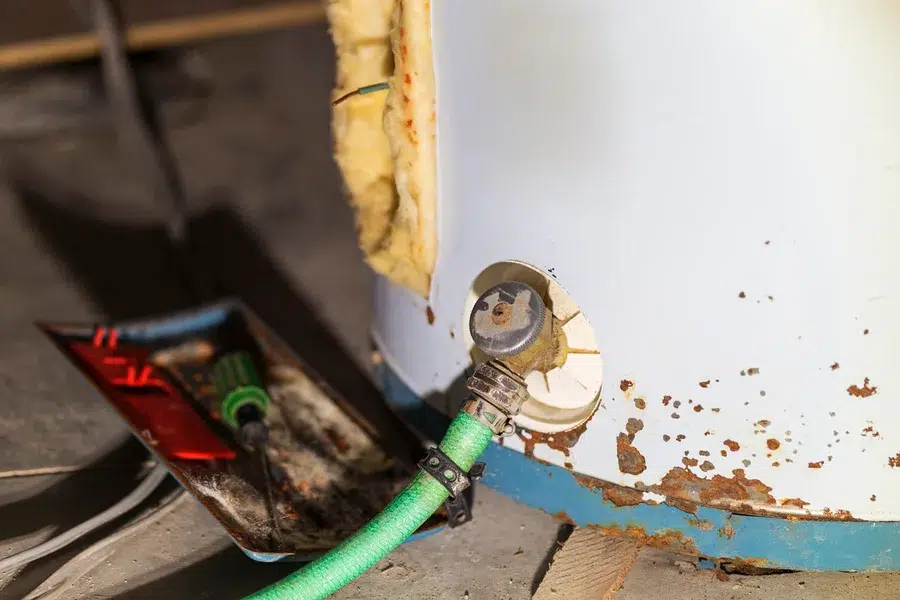
Few home disasters are as unpleasant as discovering you have no hot water, especially on a chilly morning when you’re anticipating a warm shower. Whether your Prescott Valley water heater is making strange knocking sounds, leaking, or simply not producing enough hot water for your needs, the problem requires prompt attention from experienced professional plumbers.
Goettl’s High Desert Mechanical understands both the technical aspects of water heater systems and the urgency of restoring this essential home comfort. Our family-owned team brings decades of experience to every water heater issue, providing honest recommendations, quality installations, and thorough repairs that restore reliable hot water to your Prescott Valley home.
Hear It from Your Neighbors
Curious about how we can help? Reach out today and let’s get your system running right!
Our Water Heater Services in Prescott Valley
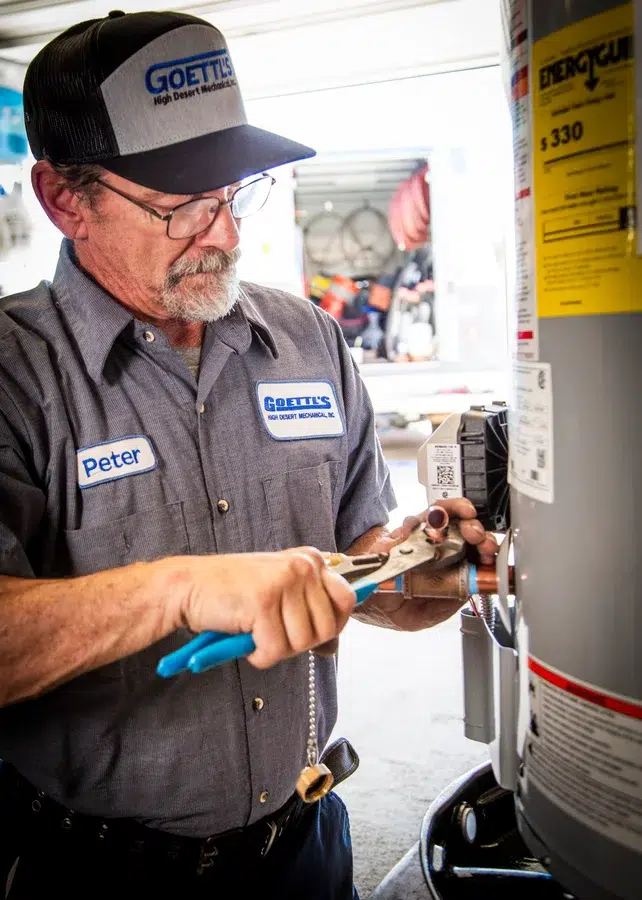
At Goettl’s High Desert Mechanical, we offer a full range of water heater services in Prescott Valley tailored to your home. Whether you need a quick repair, routine maintenance, or a brand-new installation, our licensed technicians are ready to help. We service all major water heater types, including traditional tank, tankless, hybrid, and more, and ensure every system is installed and maintained for maximum efficiency in Prescott Valley’s unique high desert climate and mineral-heavy water conditions.
Our Prescott Valley water heater services include:
- Expert water heater installation & replacement for all types
- Fast, reliable water heater repairs to restore hot water quickly
- Preventative water heater maintenance to extend your unit’s lifespan
- Tankless water heater repair, maintenance & installation
- Upgrades & efficiency improvements, including hybrid and condensing options
- Professional guidance to help you choose the right system for your home
From routine tune-ups to complete system overhauls, you can count on our team to deliver dependable, energy-smart solutions, backed by honest advice and local expertise.
Book OnlineTypes of Hot Water Heaters in Prescott Valley
Goettl’s High Desert Mechanical is your go-to expert for all types of hot water heaters in Prescott Valley. We work with:
Traditional (Storage Tank) Water Heaters
- Reliable and budget-friendly, these keep 30-80 gallons hot and ready.
- Best for: Lower upfront cost
- Prescott Valley tip: Hard water equals sediment, plan an annual flush
Tankless (On-Demand) Water Heaters
- Heats water only when you need it for virtually endless hot water and strong efficiency.
- Best for: Busy households and tight spaces
- Prescott Valley tip: Routine descaling helps prevent mineral buildup
Indirect Water Heaters
- Use a boiler or HVAC system’s heat to warm your water.
- Best for: Homes with hydronic heating or high-efficiency systems
- Prescott Valley tip: Proper sizing and controls maximize recovery and savings
Hybrid (Heat Pump) Water Heaters
- Moves heat from surrounding air into the water, like AC in reverse.
- Best for: Cutting electric bills in warm climates
- Prescott Valley tip: Works great in garages or utility rooms, needs clearance and airflow
Condensing Gas Water Heaters
- Capture and reuse exhaust heat for higher efficiency than standard gas tanks.
- Best for: Natural gas homes with high hot-water demand
- Prescott Valley tip: Requires proper venting, lowers operating costs over time
Solar Water Heaters
- Roof collectors preheat water, typically with a gas or electric backup.
- Best for: Eco-minded homeowners with sunny roof space
- Prescott Valley tip: Sunshine helps, but plan for professional maintenance and a backup heater
Each type has its advantages and challenges. Our Prescott Valley water heater technicians will assess your hot-water usage, water quality, space, and budget to recommend the right fit, and set up a maintenance plan to keep it running efficiently in our high desert conditions.
Our Water Heater Services
Prescott Valley Water Heater Repair
No matter what you need when it comes to water heater repair in Prescott Valley, our plumbers are here for you. We’ll examine your water heater and test it until we know what is causing your problem. Then, we’ll work hard to get you the solutions you need ASAP so you won’t have to live without hot water for very long.
Prescott Valley Water Heater Installation & Replacement
If you need a new water heater, don’t worry. Our Prescott Valley water heater installation and replacement team will ask you a few questions about how much and how often you use your heater, then work with you to help you get the solutions you need.
We’ll make sure you end up with a new water heater that matches your system and your needs, then install it and make sure it’s working before we leave.
Book OnlinePrescott Valley Water Heater Maintenance
Maintain your water heater to keep it working optimally and to lower your chances of suddenly ending up without hot water. Our Prescott Valley water heater maintenance technicians will make sure we get your heater flushed, change your anode rod if you need it, and test each component of the system.
If you need repairs, we’ll get them done as soon as possible.
Prescott Valley Tankless Water Heaters
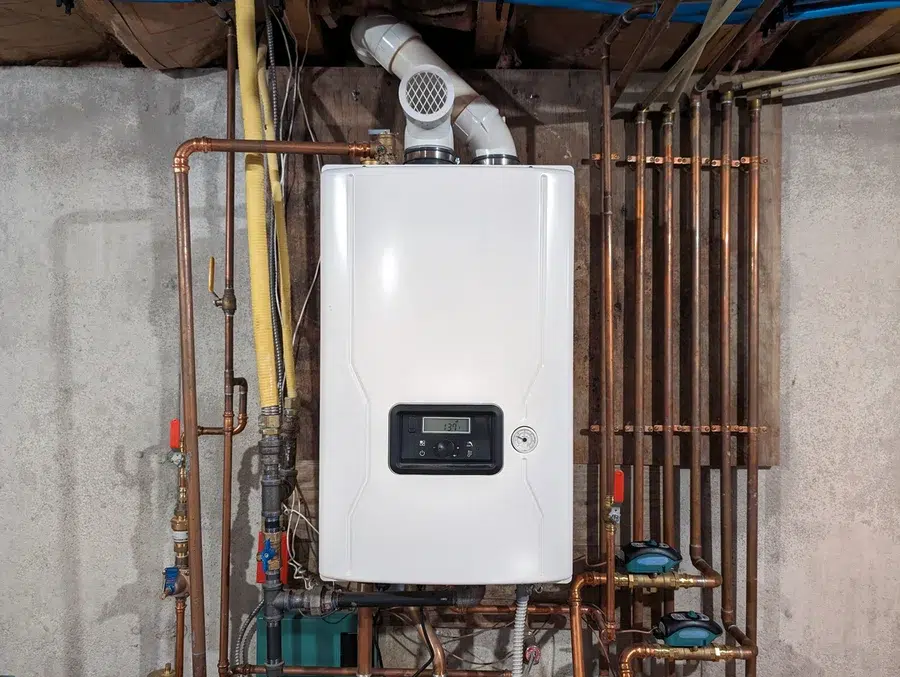
Give us a call when you need help with tankless water heaters, too. Whether you are putting one in for the first time or you have one that isn’t working, our team will help you find the solutions you need fast.
Get your tankless water heater working well soon when you call on our team.
Book OnlineGet Hot Water Flowing Again
No hot water? Strange noises? Rising energy bills? Don’t put it off another day. Call Goettl’s High Desert Mechanical now, and we’ll send an experienced technician to diagnose and fix your water heater problem fast. Whether you need repair, maintenance, or a brand new system, we’ve been keeping Prescott Valley homes comfortable since 1987. Let’s get your hot water back.
Book OnlineWater Heaters FAQs
Most people set their water heater to 120 degrees Fahrenheit. That way, the water is still hot when it reaches the furthest parts of their plumbing system, but it also is not so hot that it is likely to cause burns in your Prescott Valley home.
It’s possible for water heaters to explode, but it’s very rare. This can happen with both gas and electric heaters and is more likely when the heater is not well maintained. If you’re worried about this, we can test your Prescott Valley water heater and let you know your risk.
Turn on the circuit breaker for the water heater, and the gas line that feeds it if applicable. Make sure there is a flow of water into the heater and that the pilot light is working. There may be a switch you need to turn or a button you need to press to turn on the heater, depending on the make and model of your unit.
There is no single best type of hot water heater. The one that’s right for you depends on the way your system is set up, your usage patterns, and more. Our Prescott Valley team can help you find the best water heater for your specific needs.
Traditional tank water heaters typically last 10-12 years, while tankless models can last 20+ years with proper maintenance. Prescott Valley’s hard water can shorten lifespan without regular flushing and maintenance, which is why annual service is so important.
Popping or rumbling sounds usually indicate sediment buildup at the bottom of the tank. This is common in Prescott Valley due to mineral-heavy water. Annual flushing removes sediment and reduces noise while improving efficiency and extending your water heater’s lifespan.





We Cover Central and Northern Arizona
We’ve been taking care of HVAC and plumbing systems across this region since 1987. Whether you need emergency repairs in Prescott, a new system in Sedona, or maintenance in Flagstaff, we’re here for it. Here are all the areas we serve:
 All Service Areas